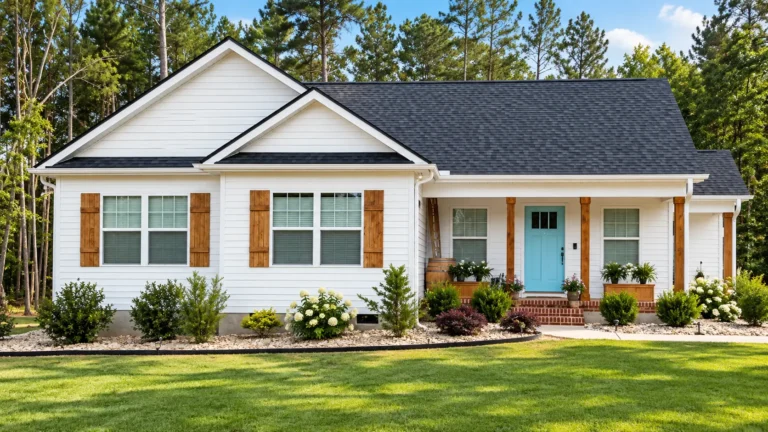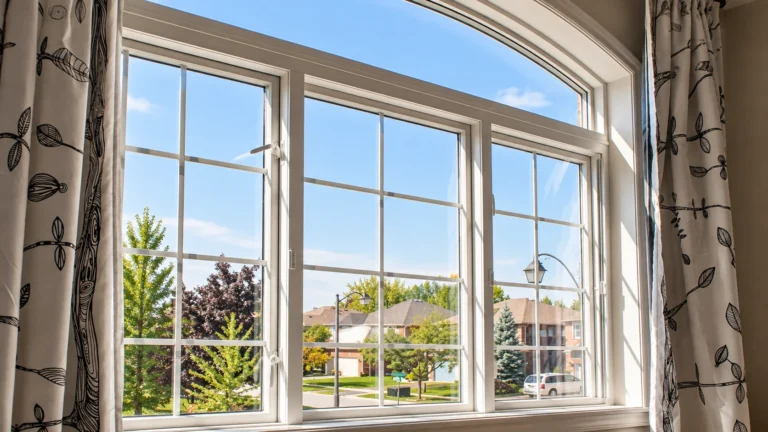

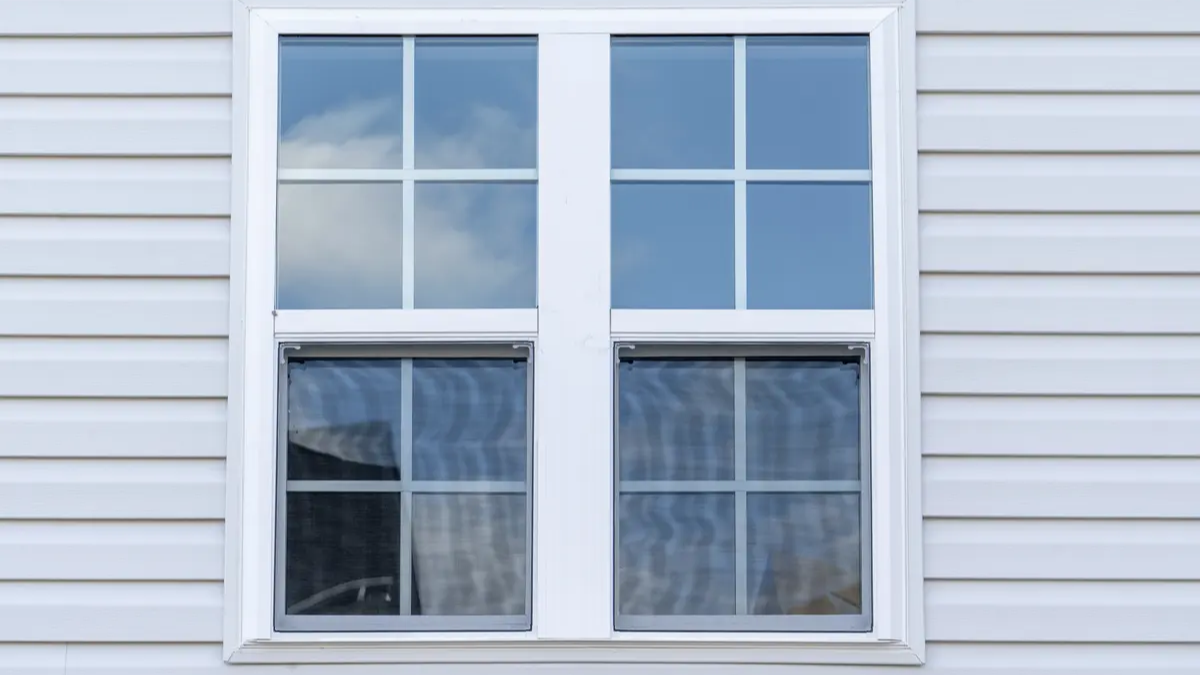
Around Saint-Constant and the Rive-Sud, window and door issues often become more obvious once cold weather, wind, and humidity return. A cooler room, a door that no longer closes properly, or condensation on the glass may seem minor at first. Over time, these signs can point to a situation where window and door replacement Saint-Constant homeowners should seriously consider having assessed.
That does not mean every small draft requires a full replacement project. The goal is to understand the symptoms, look at the condition of the whole opening, and avoid replacing more than necessary.
Drafts that keep coming back
A draft near a window or door is one of the most common warning signs. Air can enter around the frame, sash, threshold, trim, or through weak sealing around the opening.
In many Rive-Sud homes, this becomes especially noticeable in winter. A window may seem fine in summer, then become uncomfortable once cold wind hits that side of the house. An entrance door can also start leaking air around the threshold or frame if it no longer closes as tightly as it should.
One isolated draft does not always mean the product needs to be replaced. But if several openings create the same discomfort, if one room stays cold despite normal heating, or if the windows and doors are already older, a proper assessment becomes more useful.
Condensation: where it forms matters
Condensation is easy to misread. Some moisture on the interior surface of the glass can be related to indoor humidity, ventilation, closed blinds, or a large temperature difference between inside and outside.
Condensation between the panes is more concerning. If the moisture appears trapped inside the sealed glass unit, it may suggest that the glass unit is no longer performing as intended. This sign matters even more when the window also has drafts, poor operation, or visible wear.
So before jumping to conclusions, context matters. Interior condensation and condensation between panes do not mean the same thing. Annoying, yes. Useful distinction, also yes.
Energy bills that are harder to explain
Aging windows and doors can contribute to heat loss, especially when they allow air leakage or have weak thermal performance. This can make some rooms less comfortable and increase demand on the heating system.
Still, energy bills do not prove everything by themselves. Insulation, heating habits, ventilation, wind exposure, and the overall condition of the home also matter.
Homeowners comparing products can use NRCan’s guidance on features to compare for energy-efficient windows and doors. Terms like U-factor, energy rating, double or triple glazing, and low-e glass help explain what affects comfort and performance.
A better-performing product helps, but installation quality matters too. A window that looks efficient on paper can still disappoint if measurements, insulation around the frame, air sealing, or finishing are poorly handled.
Windows and doors that are hard to use
A window that sticks, feels heavy, does not close properly, or no longer locks well deserves attention. The cause may be normal wear, frame movement, sash distortion, or a product reaching the end of its useful life.
The same applies to doors. An entrance door that needs to be pushed hard to close, a patio door that does not slide smoothly, or a worn threshold can suggest that the unit is no longer aligned or sealing properly.
There is no need to assume the worst immediately. But when an opening becomes difficult to use and also lets in air or moisture, replacement may become a more practical option to plan.
Visible wear around the openings
Some signs are easier to spot:
- soft, cracked, or swollen wood
- distorted frames
- damaged thresholds
- water stains near the opening
- daylight visible around a closed door
- condensation between glass panes
- heavy peeling around the frame
One visible issue does not always justify full replacement. Several signs together are more meaningful. For example, a window that opens poorly, feels cold nearby, and shows condensation between panes deserves closer attention.
At that point, it can be useful to schedule a project assessment to understand whether the issue comes from the product, the existing installation, the frame, the threshold, or the surrounding opening.
Replacing one opening or planning in stages?
Window and door replacement Saint-Constant projects do not always mean replacing every opening in the home at once. In many cases, homeowners can prioritize the weakest products first: the ones causing the most cold, moisture, noise, or operation problems.
A common mistake is trying to solve everything at once without ranking the issues. Another mistake is choosing only based on the most impressive technical sheet. The right choice depends on the real condition of the openings, the budget, the comfort goal, and the quality of installation.
Triple glazing, for example, may be useful in rooms exposed to more cold or noise. It is not automatically necessary everywhere. A well-chosen, properly installed option is often more relevant than an expensive upgrade that does not match the actual need.
What a proper assessment should look at
A serious assessment should not focus only on the age of the product. The full opening needs to be reviewed: closing, locking, frame condition, threshold condition, condensation, signs of water, interior finishing, exterior finishing, and the general condition around the frame.
It is also important to separate product issues from installation or house-related issues. Water infiltration can come from an exterior detail. Interior condensation can come from high indoor humidity. Poor closing can come from a frame that has shifted.
This step helps avoid two opposite mistakes: waiting too long despite clear signs, or replacing more than necessary because the issue was misunderstood.
Timing, budget, and incentive programs
Weaknesses often show up in fall and winter because cold weather makes problems more visible. Planning earlier can give homeowners more flexibility, especially for multiple openings or custom sizes.
Cost usually depends on the size, product type, glass package, material, access, frame condition, interior and exterior finishing, and overall project complexity.
If a program such as Rénoclimat is being considered, homeowners should check the official conditions before starting. Eligibility can depend on current rules, the type of replacement, and required steps.
Final thought
The most serious signs are rarely isolated. A little interior condensation may have a simple explanation. A window that opens poorly may be related to age or alignment. But when drafts, condensation between panes, visible wear, poor operation, and discomfort appear together, it makes sense to assess replacement options.
For homes around Saint-Constant and the Rive-Sud, the practical approach is to look at the whole picture: product condition, opening condition, existing installation, real comfort problems, and budget.
Frequently asked questions
Does condensation mean the window needs to be replaced?
Not always. Condensation on the interior surface can be linked to humidity and ventilation. Condensation between the panes is more concerning, especially if the window is older or has other signs of wear.
Will new windows automatically reduce my energy bills?
Not automatically. Better-performing windows and doors can help when older openings are weak or drafty. Actual savings depend on insulation, heating, installation quality, and how the home is used.
Do I need to replace all my windows at the same time?
Not necessarily. In many homes, it makes sense to prioritize the most problematic openings first. Replacing everything at once can be practical, but it is not always the only good approach.
What is the most common mistake before replacement?
Focusing only on the product. Glass type, U-factor, and options matter, but measurements, sealing, insulation around the frame, and finishing have a direct impact on the final result.