
When two window quotes land on the table, one for double glazing and another for triple glazing, the comparison seems almost suspiciously easy. Three panes must be better than two, right?
From a thermal perspective, triple glazing can provide better performance. But when comparing double vs triple glazing on the South Shore, the number of panes is only one part of the decision.
Room use, window size, orientation, wind exposure, comfort expectations, product performance, and budget all matter.
What actually changes between double and triple glazing
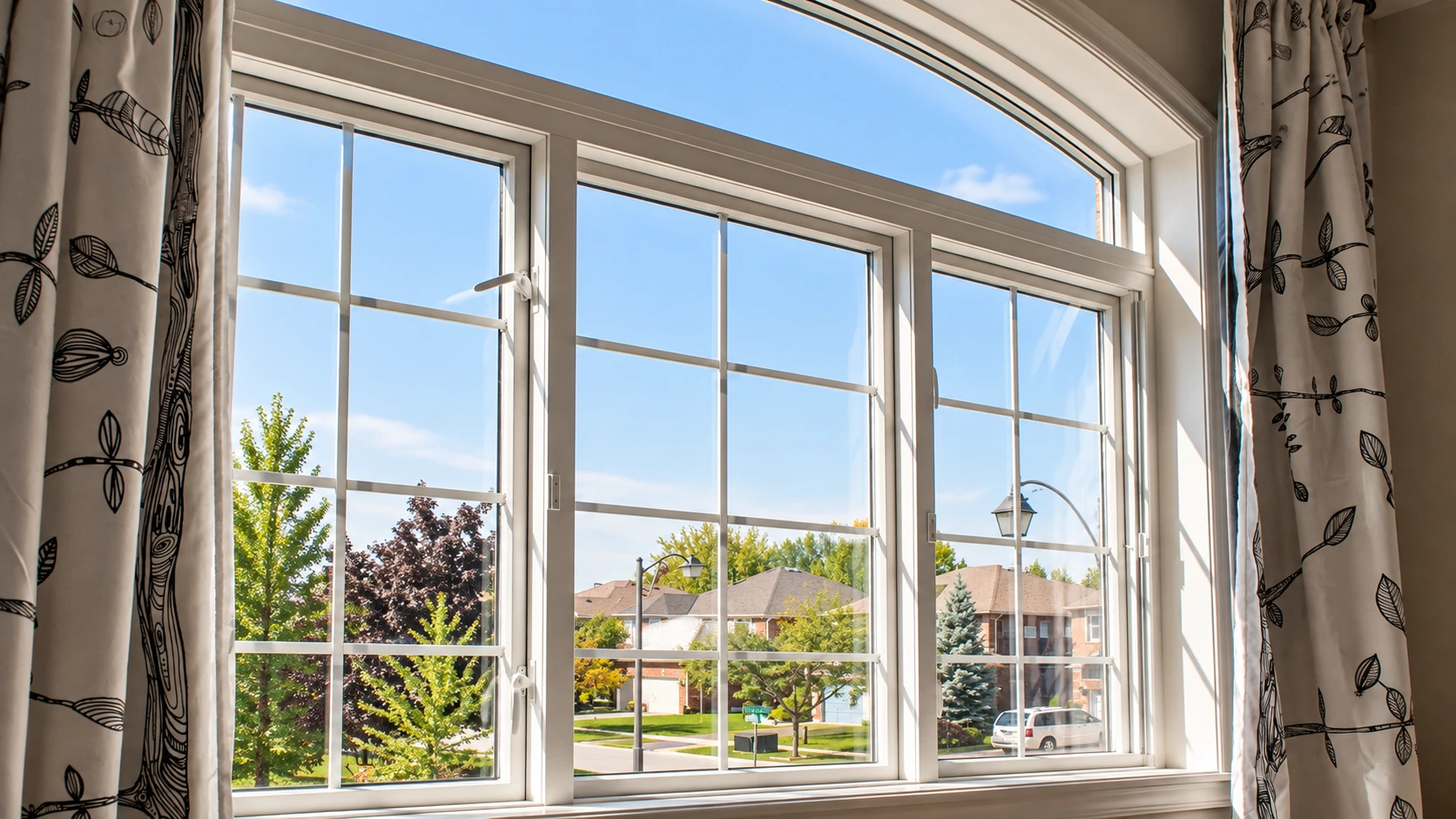
Double glazing uses two panes of glass separated by an insulating space. Triple glazing adds a third pane and another insulated cavity. Depending on the complete window design, this can reduce heat transfer further.
For a South Shore home, the difference may be most noticeable during colder weather. A warmer interior glass surface can reduce the cold sensation people sometimes feel when sitting near a large window.
Triple glazing can be particularly interesting for:
- large living-room openings
- bedrooms that feel cold in winter
- windows exposed to significant wind
- areas where comfort near the glass is a priority
U-factor tells you more than pane count
Comparing only two panes versus three does not tell the whole story. U-factor measures heat transfer through the complete window assembly. In general, a lower U-factor means better resistance to heat transfer.
Performance can also be affected by:
- Low-E coatings
- insulating gas
- spacer design
- frame construction
- operating style
- overall window size
- manufacturing quality
Two triple-glazed windows can therefore perform differently. The same is true for two double-glazed windows.
Is triple glazing necessary in Quebec?
Not automatically. Quebec winters make thermal performance important, but that does not mean every opening needs the highest-performance glazing package available.
A good double-glazed window can still be a reasonable choice in many residential projects. Triple glazing becomes more interesting when the conditions justify it.
The NRCan criteria for the most energy-efficient windows and sliding glass doors show how performance is evaluated beyond simply counting panes.
Orientation can change the answer
A large south-facing window receives very different solar exposure than a small north-facing basement window. Glazing should therefore be considered together with orientation and exposure.
When comparing double vs triple glazing on the South Shore, different zones of the house may justify different priorities. This can also help avoid paying for an upgrade where the practical benefit may be modest.
What about condensation?
Triple glazing can help keep the interior glass surface warmer in some conditions, which may reduce the likelihood of surface condensation. But condensation also depends on indoor humidity, outdoor temperature, airflow, and the way the home is used.
Changing the glazing package cannot guarantee that condensation will disappear. Moisture between the panes is also different from condensation forming on the room-side surface.
Installation can undermine a strong specification
A window with excellent published performance can still disappoint if it is poorly integrated into the wall opening.
During a project assessment, consider:
- existing frame condition
- actual dimensions
- the space around the new unit
- perimeter air sealing
- interior and exterior finishing
- wind exposure
- room use
A common misconception is that every cold sensation near a window comes from the glass. Sometimes air leakage around the frame or poor insulation around the rough opening contributes just as much.
That is why it makes sense to compare window replacement options as complete systems rather than focusing only on glazing.
Will triple glazing pay for itself?
It is better not to frame the decision around a universal payback period. Actual energy savings depend on the home, existing windows, heating system, exposure, indoor temperature, and several other variables.
Triple glazing can therefore be chosen for comfort as much as for energy performance.
Budget and incentive programs
Glazing affects price, but it is only one factor. Window size, operating style, frame design, finishing work, number of units, and installation complexity also matter.
For programs such as Rénoclimat, eligibility depends on current official requirements and the required process. Homeowners should not assume that double or triple glazing automatically qualifies for financial assistance.
Common questions
Is triple glazing always better than double glazing?
It can provide better thermal performance, but it is not automatically the most practical choice for every window or budget.
Do all windows in a house need the same glazing?
Not necessarily. Orientation, window size, room use, exposure, and comfort goals can vary throughout the home.
Does triple glazing eliminate condensation?
No. Indoor humidity and outdoor temperature also play major roles.
Is triple glazing worth the extra cost?
It depends on the project. In some colder rooms the additional comfort may be worthwhile; in others, a good double-glazed window can be more balanced.