

Window Condensation: Check Humidity Before Replacing
Window condensation does not always mean replacement. Learn how to separate indoor humidity, cold glass and signs of product wear.

Understand glazing, U-factor, Low-E, condensation and air leakage when comparing windows for comfort and energy performance.
Window condensation does not always mean replacement. Learn how to separate indoor humidity, cold glass and signs of product wear.
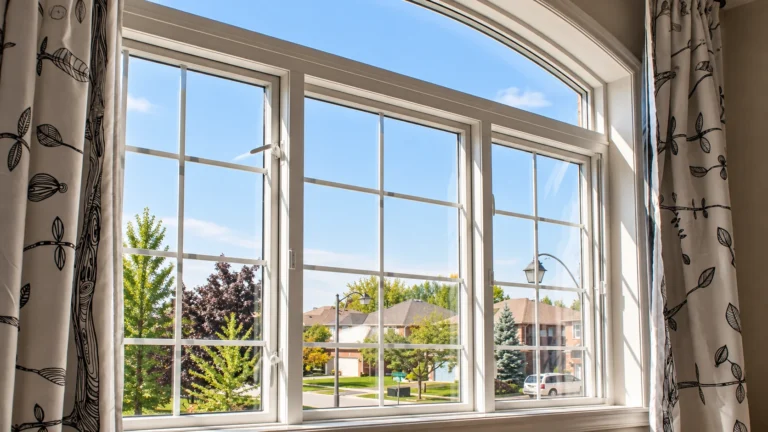
When two window quotes land on the table, one for double glazing and another for triple glazing, the comparison seems almost suspiciously easy. Three panes must be better than two, right?

Two rooms in the same house can feel completely different even when their windows are the same age and built with the same glass package. One bedroom overheats late in the afternoon, while another stays cooler but feels noticeably colder near the glass in winter.

Evening traffic, neighbours, an outdoor heat pump or regular street activity can feel much louder in a bedroom or home office. When the noise remains noticeable with the windows closed, homeowners often wonder whether replacing them would make the room quieter.

When one room stays cold in January, even while the heating system is working hard, windows quickly become part of the conversation. Around La Prairie and the South Shore, that is often when homeowners start comparing glass packages, frame materials, U-factor ratings, ENERGY STAR labels, and vinyl window options. A search for energy-efficient windows La Prairie usually starts with a practical concern: drafts, condensation, high heating costs, or older windows that no longer close as tightly as they should.
