
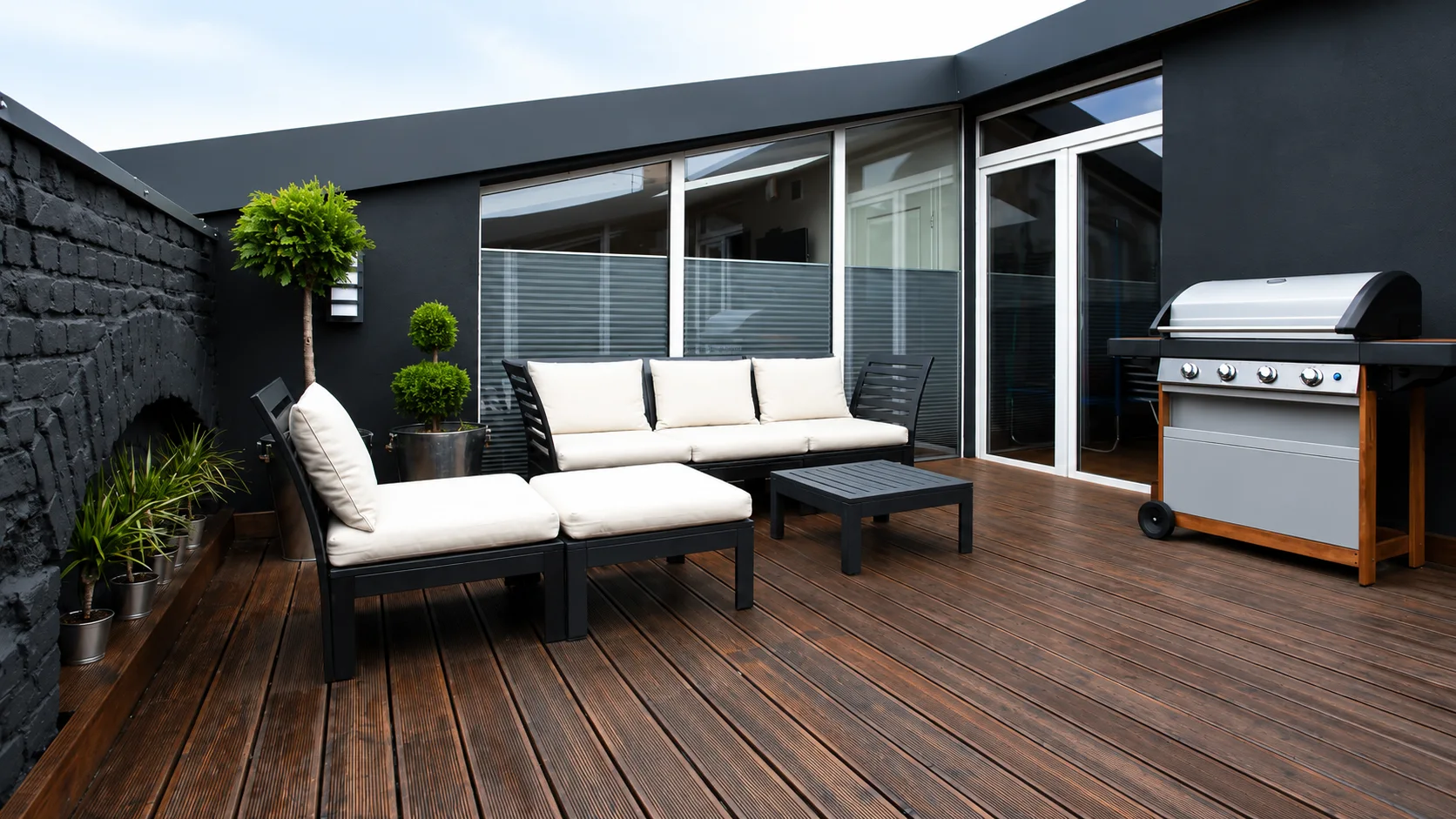
A patio door often opens directly onto a deck, backyard, terrace, or balcony. That makes it convenient for natural light and outdoor access, but it also explains why many homeowners start thinking more seriously about security when an older sliding door is due for replacement.
For patio door security on the South Shore, the lock is only part of the picture. The frame, glazing, panel alignment, track system, hardware, and installation all work together. One impressive-sounding feature does not turn a residential patio door into a bank vault, despite the heroic efforts of product brochures everywhere.
The lock is only one part of the system
The first thing most homeowners look at is the lock. If a patio door feels loose, the handle seems light, or the locking mechanism no longer feels reassuring, the hardware immediately gets blamed.
But a lock only works as well as the door around it. If the sliding panel is poorly aligned, the frame has movement, or the locking mechanism does not engage properly, adding more complicated hardware does not necessarily solve the underlying issue.
When planning a replacement, it is better to look at the patio door as a complete system. Modern patio doors may use different approaches to reduce panel movement or improve how the door engages with the frame. The practical value of those features depends on the overall design of the product.
Frame condition and alignment matter
A sliding patio door has to move easily when open while sitting firmly in position when closed. That balance becomes especially important in Quebec, where large temperature swings can expose small alignment problems.
During a project assessment, it is useful to check:
- frame condition and alignment
- the sill and track area
- panel movement
- how the lock engages
- movement or play when the door is closed
- the surrounding opening
- signs of air or water infiltration
Installation quality matters here as much as product selection. Even a good patio door can perform poorly if the opening is measured incorrectly or the frame is installed out of alignment.
Is the glass the weak point?
The large glass area of a patio door naturally gets attention when homeowners think about security. Different glazing configurations exist, but security should not be reduced to glass alone.
The right glazing package also has to make sense for energy performance, natural light, comfort, and budget.
The NRCan guidance on key features for windows, doors and skylights provides useful context for glazing, frames, and product performance.
It is easy to assume that the most expensive glass option must automatically be the safest or smartest choice. That is not always true. The actual concern should be identified first.
A door can lock and still be poorly adjusted
A common homeowner misconception is that a patio door must be in good condition because the lock still works. A door can lock while still having noticeable play, inconsistent weatherstrip compression, or a panel that no longer sits properly in the frame.
Those issues can affect comfort too. A patio door is a large opening in the building envelope. If the panel does not meet the frame evenly, drafts or cold areas near the sill can become more obvious during a Quebec winter.
That does not mean upgrading the lock will suddenly reduce heating costs. The glazing, frame, sill, measurements, air sealing, and installation have a larger combined effect than any single feature.
When replacement starts to make sense
A security concern by itself does not automatically mean the entire patio door needs replacement. Replacement becomes more reasonable when several issues appear together, such as difficult operation, movement when closed, winter discomfort, and security concerns.
At that point, it makes sense to compare patio door options as complete systems instead of focusing only on the lock.
Good patio door security on the South Shore comes down to practical questions: how well the panel closes, how the frame is integrated into the opening, how the locking system engages, and which upgrades actually solve a real problem.
Budget and priorities
Patio door pricing can vary based on size, glazing, configuration, hardware, frame design, sill system, finishing requirements, and installation complexity.
The goal should not be to select every available upgrade. An additional feature is most useful when it addresses an actual concern.
Around Saint-Constant and nearby South Shore communities, replacement planning should start with the condition of the existing door and opening.
Common questions
Does a multi-point lock make a patio door impossible to force?
No. No residential locking system should be treated as an absolute guarantee. The frame, glazing, alignment, and installation still matter.
Should an older patio door be replaced only to improve security?
Not necessarily. Its overall condition, operation, alignment, comfort, and closing performance should be considered first.
Can a poorly aligned patio door also cause drafts?
Yes. If the panel and frame do not meet properly, the seal may be inconsistent. The glazing and weatherstripping also affect comfort.
Should I choose the patio door with the most security features?
Not automatically. The right choice depends on the opening, product design, budget, and the level of security you are trying to achieve.