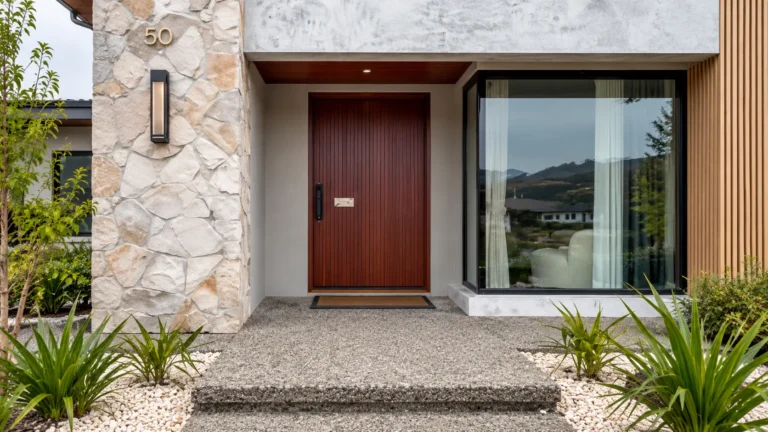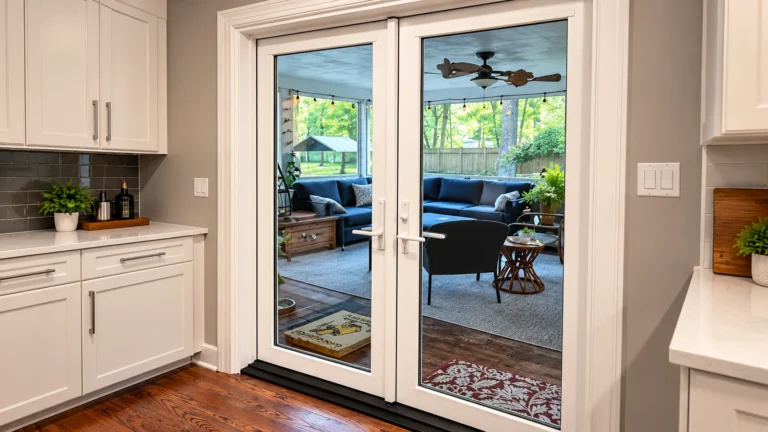

When replacing windows, it can be tempting to choose the same style throughout the house. However, a window that works well in the living room may be less practical in a basement or beside an outdoor walkway. When choosing a casement or sliding window in Saint-Philippe, start with how the room is used, the shape of the opening, and the available space around it.
Both styles can perform well in Quebec conditions. Actual performance also depends on the product, glazing, measurements, and installation quality. The right answer can therefore change from one opening to another.
Start With the Needs of the Room
A bedroom needs accessible ventilation and a window that is easy to operate. In a kitchen, a crank may be convenient when the window is above a counter. In a basement, a wide horizontal opening or a narrow window well may favour a style that does not project outward.
How often the window will be opened also matters. Paying more for a large operable area and additional hardware may offer little value if the window normally stays closed. On the other hand, choosing strictly by price can become frustrating in a room where the window is used every day.
Casement or Sliding Window: A Quick Comparison
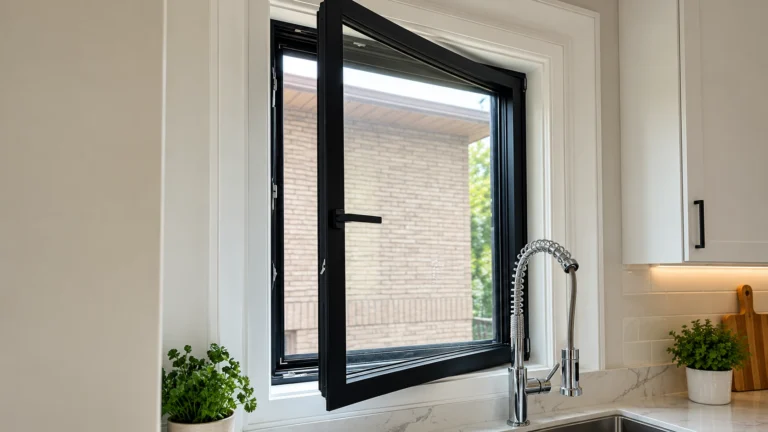
A casement window has a sash hinged on one side. It normally opens outward using a crank. This design can provide a large usable opening and may help direct air into the room depending on the hinge position and wind direction.
A sliding window has one or more sashes that move horizontally along the frame. It does not take up indoor space or project outside. However, only part of the total window area is normally open at one time.
When comparing these models with other window replacement options around Saint-Constant, it makes more sense to consider each room separately than to look for one style that should be used throughout the house.
Ventilation and Usable Opening
A casement window can open a large proportion of its total area. Its open sash may also catch a side breeze and direct it indoors. The practical benefit depends on the window’s location, opening direction, and exposure to wind.
A sliding window offers straightforward ventilation and may be entirely sufficient when a partial opening meets the room’s needs. Compare the portion that actually opens and how easily it can be reached, not only the overall dimensions of the frame.
The largest window does not necessarily provide the largest usable opening. This distinction can matter in bedrooms, basements, and other rooms where the size and operation of the opening may affect the project requirements.
Operation, Cleaning, and Screen Placement
The crank on a casement window can make it easier to operate a window that is slightly difficult to reach. Its height, handle position, and the effort required to open and lock the sash should still be checked.
With a sliding window, the sash is moved directly along its track. A large sash may be heavier to operate. On some models, the sash can be removed from the inside for cleaning. By comparison, the exterior surface of a casement window may be less accessible on an upper floor, depending on the product design.
A casement screen is generally installed on the interior because the sash opens outward. A sliding-window screen typically moves or sits in a separate track. The exact arrangement and cleaning method should be confirmed for the product being considered, since designs vary.
Airtightness and Winter Comfort
When a casement window is closed and locked, the sash normally presses against the weatherstripping. This compression can support good airtightness.
A sliding sash needs enough clearance to move along its track, so its airtightness depends more heavily on the design and adjustment of its seals. This does not mean every casement window will outperform every sliding model.
A well-designed window that has been measured and installed correctly can perform better than a product with stronger published specifications that was poorly integrated into the opening. The frame, glazing, installation, and interior and exterior finishing all influence comfort.
The Natural Resources Canada guidance on choosing windows can help homeowners compare performance characteristics without reducing the decision to the operating style alone.
Check the Clearance Around the Opening
In Saint-Philippe and elsewhere on the South Shore, a casement sash needs enough room to open without hitting a deck, walkway, window well, shrubs, or accumulated snow. An outward-opening window may also be inconvenient if it projects into an area where people regularly walk.
A sliding window avoids this projection. It still requires an opening with proportions that suit a horizontal configuration. The surrounding wall space and existing finishes should be considered before changing styles.
During a project assessment, the opening dimensions, frame condition, accessibility, and surrounding materials should all be examined. A draft is not necessarily caused by the window style. It may also result from the condition, fit, or installation of the existing unit.
How Budget Can Affect the Choice
A casement window generally contains more operating hardware, but that alone does not determine the price difference. Dimensions, glazing, finishes, custom manufacturing, access, and the condition of the existing opening may have a greater effect on the total project cost.
Quotes should be compared using equivalent dimensions, glazing, finishes, and installation scope. Otherwise, the apparent price difference may reflect more than the operating style.
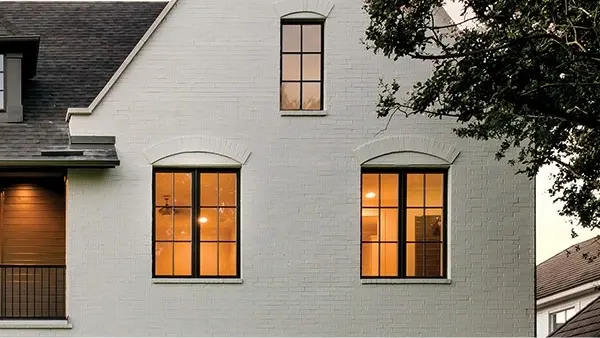
It is not always necessary to choose the most expensive model or replace every window at the same time. Using different styles in different rooms may be more practical. Exterior consistency should still be considered when several windows appear together on the same elevation.
Choose for the House, Not by a Universal Rule
The choice of a casement or sliding window in Saint-Philippe should follow the needs of each opening. A casement window may suit a room that benefits from a large usable opening and directional ventilation. A sliding window may be more practical where outward projection should be avoided or where the opening is wide and horizontal.
A careful assessment helps determine whether the proposed style works with the available space, the room’s use, and the conditions around the house. Those factors are usually more useful than choosing from a specification sheet alone.
Frequently Asked Questions
Is a casement window always more airtight?
No. Its closing mechanism can help compress the weatherstripping, but actual performance depends on the product, measurements, fit, and installation. A poorly installed window can remain uncomfortable regardless of its style.
Does a sliding window provide enough ventilation for a bedroom?
Often, but it depends on the window dimensions, the operable portion, and the room’s ventilation needs. Compare the usable opening rather than only the total width of the frame.
Which style is easier to clean?
It depends on the design and location. Some sliding sashes can be removed from inside, while the exterior of a casement window may be harder to reach on an upper floor. The cleaning method should be checked for the specific model.
Should every window in the house use the same style?
No. A house can combine casement and sliding windows according to the needs of different rooms. It is still worth considering the exterior appearance when multiple windows are located beside one another on the same elevation.