
When homeowners start planning a window replacement project, frame material is often one of the first decisions they face. PVC is commonly associated with good insulation, aluminum with modern design, and hybrid windows with a combination of both.
But how do you choose between PVC, aluminum and hybrid windows without paying for features you may not need? In Saint-Constant and across Quebec’s South Shore, windows must withstand changing temperatures, wind, moisture and cold winters. Frame material matters, but it doesn’t determine energy performance or indoor comfort on its own.
PVC Windows: A Practical Choice for Many Homes
PVC is widely used in residential windows. It resists moisture, generally doesn’t require regular painting and offers relatively good insulating properties. Unlike conductive metals, PVC transfers heat relatively slowly.
However, not every PVC window delivers the same performance. The design of the frame chambers, reinforcement, glazing and seals all influence how a window performs. A small bathroom window and a large living room window may require different structural configurations.
Frame dimensions, available colours and finishes vary depending on the product line. For many residential projects, PVC offers a reasonable balance of insulation, relatively straightforward upkeep and cost. Still, it’s worth comparing specific products rather than choosing based solely on the frame material.
Aluminum Windows: Strength and Architectural Flexibility
Aluminum is valued for its rigidity and design possibilities. Depending on the system, it can accommodate relatively slim profiles and large glass areas. Its appearance can work particularly well with contemporary architecture.
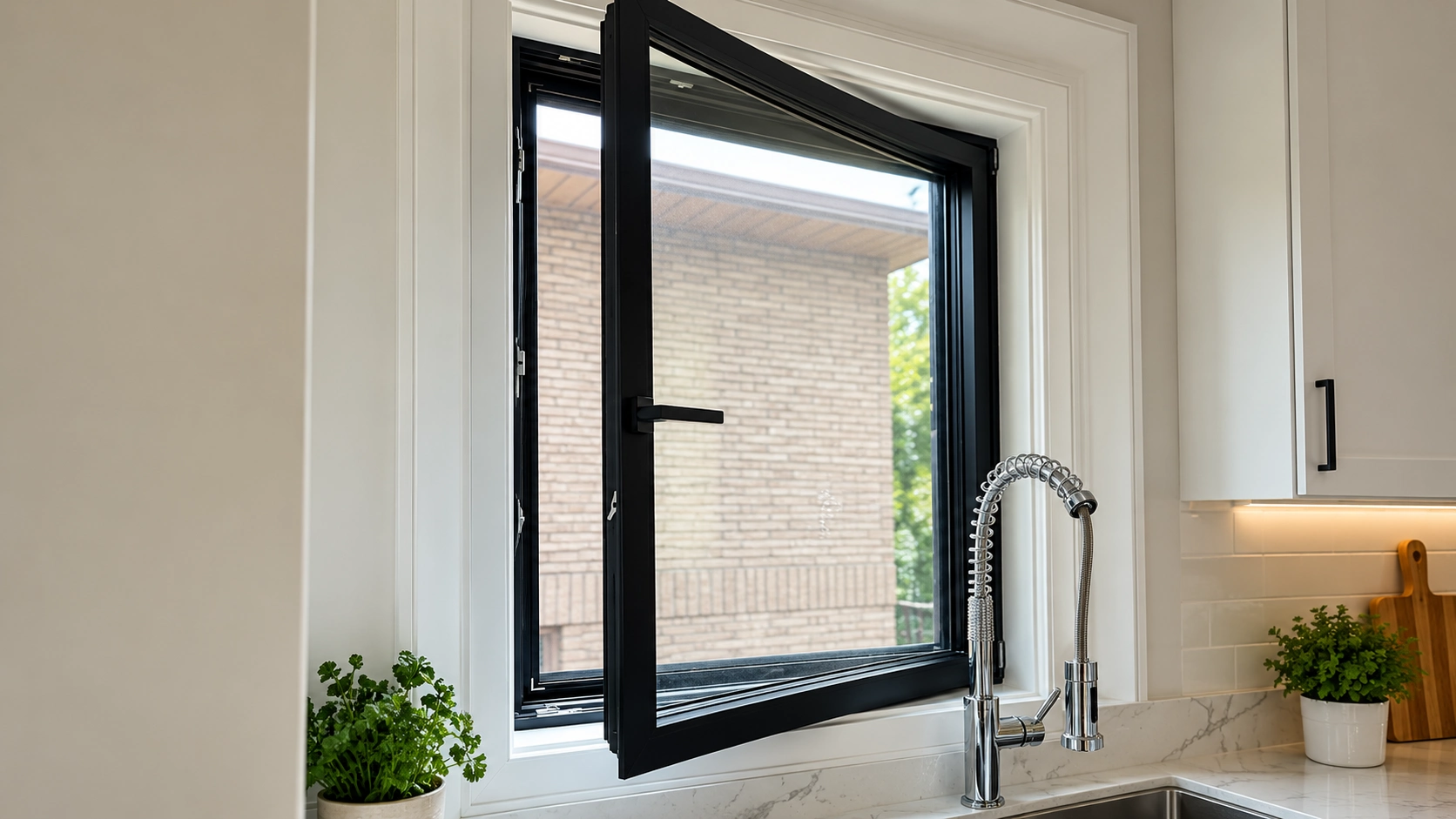
However, aluminum naturally conducts heat. In window systems designed for colder climates, thermal breaks can help reduce heat transfer between the interior and exterior portions of the frame. This distinction is important. An aluminum window without an appropriate thermal design shouldn’t be directly compared with one engineered for Quebec winters.
Frame construction, finish quality and documented performance all deserve attention. Aluminum may meet specific architectural goals, but its appearance doesn’t automatically guarantee better insulation or an easier installation.
Hybrid Windows Combine Different Materials
Hybrid windows use more than one material in their construction. Depending on the manufacturer, a window may have a PVC interior frame combined with aluminum exterior cladding, or another material combination. The idea is to bring together complementary characteristics, such as the insulating properties of an interior material and the exterior finish of another.
For homeowners who want their windows to complement a particular exterior design, that combination may be appealing. However, the term hybrid doesn’t guarantee superior performance. Two hybrid windows can use different constructions and deliver significantly different results. Any additional cost should be evaluated against the actual benefits.
Compare the Performance of the Complete Window
When comparing PVC, aluminum and hybrid windows, it’s more useful to examine the specifications of the complete window than to focus exclusively on the material. U-factor measures heat transfer; a lower value generally indicates better resistance to heat loss. Energy Rating (ER) accounts for several aspects of energy performance. Air leakage and the glazing configuration, including Low-E coatings and spacers, also matter.
Natural Resources Canada provides practical advice on window and door features to help homeowners understand these differences. Energy performance information allows comparison based on measurable characteristics. A more expensive frame doesn’t necessarily provide a noticeable advantage in every home.
Installation Can Change the Outcome
Even a window with strong technical specifications must be properly suited to its opening. Before replacement, the opening dimensions, existing frame condition, surrounding materials and required finishing work should be considered. In older South Shore homes, some openings may have characteristics that affect the installation approach.
A high-performance window can still deliver disappointing results if air leakage occurs around an improperly installed frame. On the other hand, replacing a window that’s still in suitable condition solely to switch frame materials may not be justified. When planning window replacement, it makes sense to assess the existing openings and project priorities before choosing a product.
How to Compare Materials Without Overspending
Window prices depend on size, operating style, frame construction, glazing, finishes and optional features. Hybrid windows and some aluminum systems may cost more depending on their design, but no single material is always the most expensive. For a meaningful comparison, ask for proposals covering similar dimensions and performance levels.
A large sun-exposed opening may have different priorities from a small bedroom window. Using exactly the same window configuration throughout the house isn’t always necessary.
Which Material Makes Sense for Your Home?
PVC is often a practical option for residential projects focused on insulation and relatively simple upkeep. Aluminum may suit particular architectural requirements, provided its thermal performance is carefully assessed. Hybrid windows are worth comparing when their combination of materials offers a specific benefit.
For a home in Saint-Constant, Delson or the surrounding South Shore communities, the best choice depends on the complete product, installation conditions and available budget rather than the reputation of one material.
Frequently Asked Questions
Is PVC suitable for Quebec winters?
Yes. PVC windows designed for Canadian conditions can provide good performance, although the specifications of each model still matter.
Are aluminum windows less energy-efficient?
Aluminum naturally conducts heat, but some systems include thermal breaks. Comparing documented performance provides a more accurate answer.
Are hybrid windows always better?
No. Their advantages depend on the materials, design, finishes and requirements of the project.
Can different frame materials be used in the same home?
Yes, depending on the available products and individual openings. Appearance, performance and finishing details should be considered together.