
During winter, an entryway can feel noticeably colder than the rest of the house. The floor near the threshold may feel chilly, or you might notice a draft when the wind blows against the front of the home.
These situations can make replacing the door seem like the obvious solution. However, entry door insulation depends on several components, including the door panel, frame, threshold, contact surfaces and installation. For homeowners in Saint-Constant and across the South Shore, understanding these differences is useful before starting a replacement project.
Door Material Influences Thermal Performance
Residential entry doors are commonly made using materials such as steel and fiberglass. A steel door may contain an insulated core designed to help reduce heat transfer. Fiberglass models can also incorporate insulating components.
However, it would be misleading to assume that one material always performs better than the other. Two steel doors may have different thermal performance characteristics, just as two fiberglass models can. Panel construction, internal materials, connections and frame design all influence the complete product.
The Frame and Threshold Matter Too
When homeowners notice cold air near an entry door, they often assume that the panel lacks insulation. But the frame and threshold can also play an important role. The door needs to close properly against its contact surfaces to limit air infiltration.
Threshold design and the conditions around the opening can influence comfort. A door with a well-insulated panel may still deliver disappointing results if the entire assembly doesn’t fit the opening properly.
A cold sensation near a door doesn’t necessarily mean the complete product requires replacement. It’s important to distinguish between cold surface temperatures, drafts, installation conditions and the overall condition of the door. These issues may feel similar without having exactly the same cause.
Does Glass Affect Entry Door Insulation?
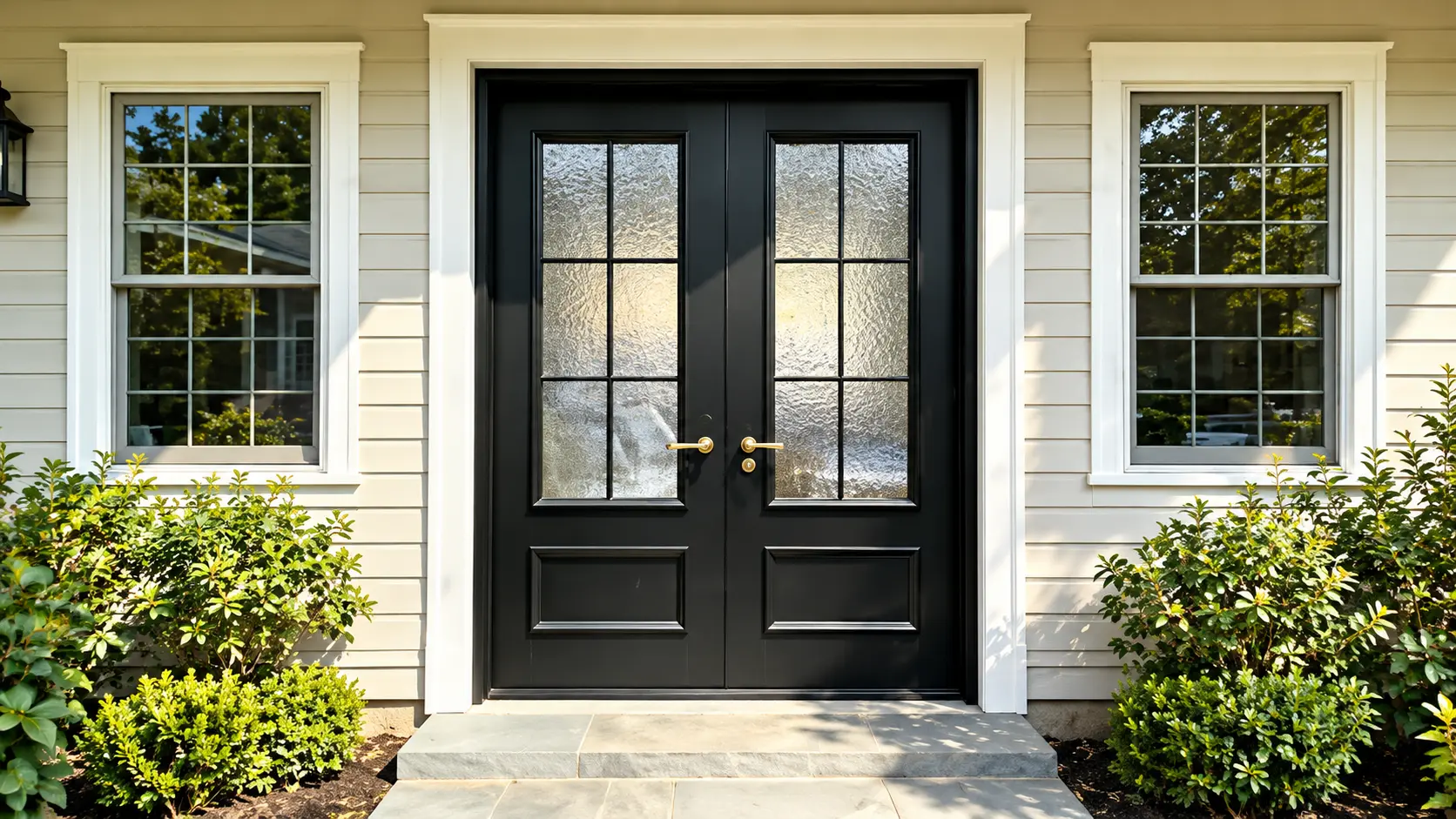
A glazed entry door can bring valuable natural light into a home, particularly in an otherwise dark entrance. However, glazing affects the thermal characteristics of the complete door.
Glass area, glazing configuration, Low-E coatings and panel design may all influence performance. This doesn’t mean glazed doors are unsuitable for Quebec winters. Doors containing glass can meet applicable energy performance requirements depending on their construction.
The complete product should be evaluated rather than assuming that a solid door is always the only efficient choice. Natural Resources Canada provides information about ENERGY STAR certified doors. Certification applies to qualifying products, not automatically to companies that sell or install them.
How Can You Tell Whether a Door Needs Assessment?
An aging entry door may show several signs that deserve closer attention. The panel may be warped, the frame may show substantial deterioration or the door may become difficult to close.
Evidence of water intrusion, loss of stability or persistent operational problems can also suggest that the complete assembly should be assessed. However, one symptom alone doesn’t establish the appropriate solution. A cold entrance may be related to the door, its installation or certain conditions in the surrounding building.
When several components have deteriorated or the door no longer meets the homeowner’s needs, complete replacement may become more practical. In other situations, immediate replacement may not be necessary.
What Should a Project Assessment Consider?
Before choosing a new entry door, several aspects of the opening deserve attention. Dimensions, existing frame condition, threshold design and surrounding materials can affect the product selection.
The configuration should also suit how the entrance is used. A frequently used front entrance may have different priorities from a secondary entrance. Glazing, hardware and appearance all deserve consideration without overlooking thermal performance.
Installation quality remains essential. A high-performance door can still allow air infiltration if the frame and surrounding joints aren’t properly integrated into the opening. For an entry door replacement project, evaluating the existing conditions helps identify suitable options.
Should You Always Choose the Most Insulated Door?
Not necessarily. A model with better thermal characteristics may provide advantages in certain situations. But the additional cost isn’t automatically justified for every home.
The performance of the existing door, frequency of use, exposure to wind and overall building conditions can influence the potential results. No new door guarantees a specific reduction in heating costs. The decision should be based on comfort and the actual requirements of the home.
Planning Door Replacement Before Winter
Entry door replacement can be planned at different times of the year. However, unusual dimensions, glazing choices, configuration and finishing requirements can affect product availability and scheduling.
Comparing options before a door becomes difficult to use may allow for better project planning. That doesn’t mean an older door needs replacement simply because of its age. For many South Shore homes, a reasonable decision starts with evaluating the door’s actual condition.
Frequently Asked Questions
Are steel entry doors well insulated?
They can be, particularly when they have an appropriate construction and insulated core. The specifications of the complete model matter.
Can a glazed entry door perform well in Quebec winters?
Yes. Performance depends on the glazing configuration and overall product design.
Why does the area near the threshold feel cold?
Possible causes include cold surfaces, air leakage and conditions around the opening. An assessment can help identify the source.
Will a new entry door automatically reduce heating costs?
No. The outcome depends on the condition of the previous door, the new product and its installation.