
Not every window in a home needs to do the same job. Some are mainly there to bring in natural light and preserve the view. Others also need to provide ventilation in a bedroom, kitchen, bathroom, or another regularly used space.
The choice between fixed vs operable windows should therefore depend less on a blanket rule and more on how each opening is actually used. Around Saint-Constant and the South Shore, a mixed configuration can sometimes make more sense than making every section operable by default.
A fixed window is mainly about light and view
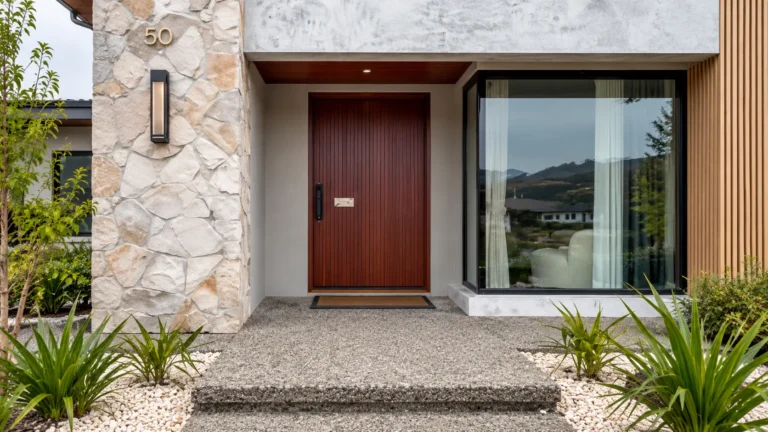
A fixed window does not open. Its main role is to bring in natural light and provide a clear view outside.
Because it does not require an operating mechanism, it can also have a simpler configuration and, depending on the product, a larger visible glass area.
That can be useful in a large living room or dining room opening where the main goal is light and an open view.
The trade-off is obvious: that section provides no ventilation.
If the room depends heavily on that opening for fresh air, making the entire window fixed may be less practical.
An operable window adds function
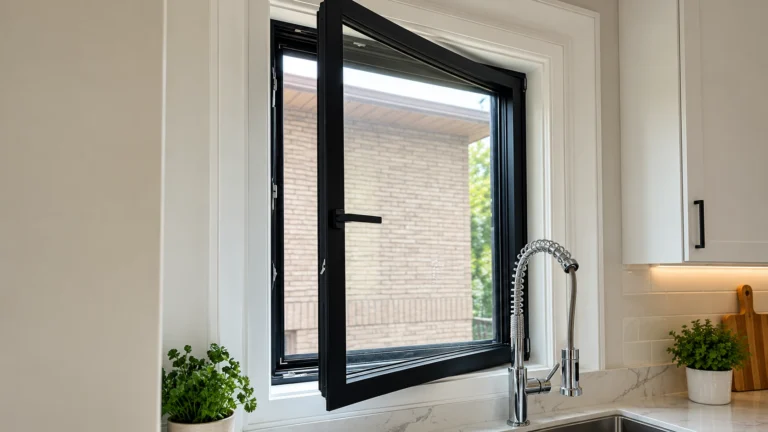
A casement, awning, or sliding window allows the room to be ventilated when conditions permit.
That can matter in bedrooms, kitchens, bathrooms, or other spaces where natural airflow is useful.
The better question is not simply, “Is an operable window better?”
It is: “Will this opening actually be used for ventilation?”
In some homes, several operable sections are installed simply because the previous configuration was built that way. Yet some of those sections may rarely be opened.
Adding operating mechanisms everywhere does not automatically improve comfort.
Why combine fixed and operable sections
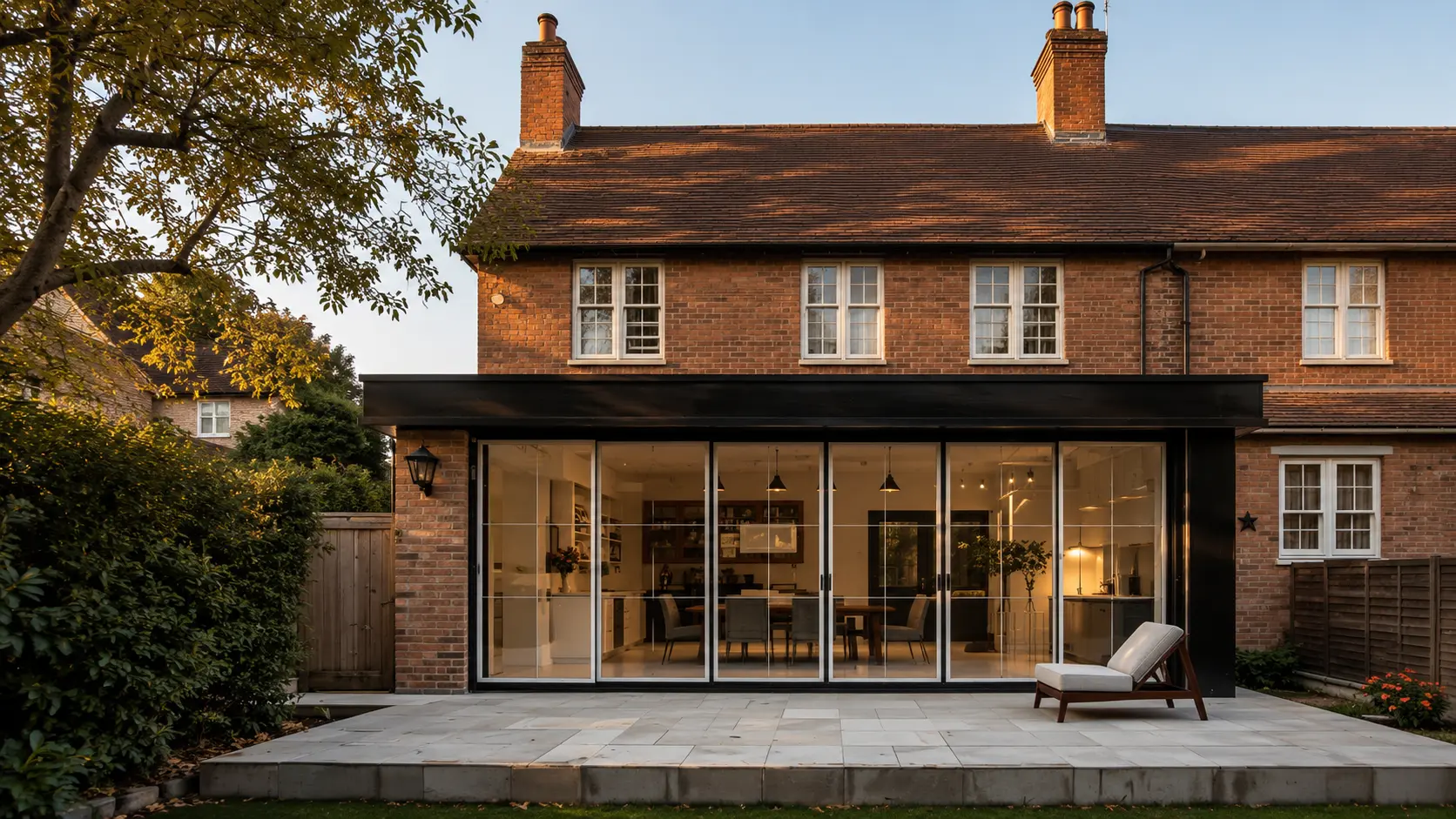
For larger openings, combining fixed and operable sections can create a useful balance.
A larger fixed centre section can preserve glass area and the view, while one or two operable sections provide ventilation.
This can work well in a living room, dining room, or open-concept space where the entire opening does not need to move.
It also allows the configuration to match the proportions of the facade instead of repeating the same window type everywhere.
When comparing window options around Saint-Constant, it makes sense to evaluate each room separately before choosing a configuration.
Are fixed windows more energy efficient?
They can have some practical advantages because of their simpler construction, but that does not mean they are automatically the most energy-efficient choice for every home.
Overall performance also depends on the glazing package, frame, U-factor, air tightness, dimensions, and installation quality.
A well-built operable window that is properly installed can also provide strong comfort and thermal performance.
Natural Resources Canada explains several features to compare for windows, doors, and skylights, including factors related to energy performance.
The mistake would be choosing fixed windows everywhere just to chase a small theoretical performance advantage while losing useful ventilation in rooms that need it.
Visible glass area can affect the decision
Every operable section needs a frame and operating mechanism.
Depending on the design and product, that can slightly reduce the visible glass area compared with a larger fixed section.
In a small opening, the difference may be minor. In a large front window, it may be more noticeable.
That is one reason some homeowners prefer a larger fixed section in rooms where the view and natural light are the priorities.
But maximizing glass area does not help much if the room then lacks practical ventilation.
Function should come before appearance.
What should an assessment look at?
Before deciding between fixed vs operable windows, it helps to look at how the room is actually used.
A project assessment should consider:
- the size of the opening;
- the function of the room;
- how often the current window is opened;
- other windows or doors available for ventilation;
- height and accessibility;
- orientation and wind exposure;
- the amount of natural light desired;
- visual consistency with the rest of the facade.
A large window positioned high on a wall may not be practical to operate regularly. In that situation, a fixed section may make more sense.
In a bedroom or another space where natural airflow is often useful, an operable section may be the better fit.
Not every window in the house has to be identical
A common misconception is that a home should use exactly the same window type everywhere to maintain a consistent look.
Visual consistency matters, but that does not necessarily mean using the same operating mechanism in every opening.
A facade can keep similar proportions while combining fixed, casement, or other configurations based on the needs of each room.
That flexibility can help avoid paying for operating mechanisms that will barely be used.
It also prevents the opposite problem: removing useful ventilation just to maximize glass.
Cost and complexity
Cost depends on dimensions, the number of sections, glazing, frame design, operating mechanisms, installation, and finishing.
A large fixed window can be simpler than a configuration with several operable sections. But that does not mean the simplest option should always win.
The goal is not to eliminate operating sections at any cost. It is to pay for functions that are actually useful.
In some rooms, one smaller operable section may be enough. In others, more than one opening may make sense.
The context of the home matters more than a universal rule.
Choose according to the room, not the catalogue
The better choice between fixed and operable depends mainly on what the window needs to do.
If the priority is light and view, a fixed section can make a lot of sense.
If ventilation matters, an operable window becomes more useful.
And in many larger openings, combining the two can create a better balance without adding unnecessary functions.
Common questions
Do all windows need to open?
No. In some rooms, a fixed section may be enough if other openings already provide suitable ventilation.
Does a fixed window let in more light?
It can provide more visible glass area depending on the configuration because it does not require the same operating hardware as an operable window.
Is a fixed and casement combination practical?
It can be useful in larger openings where you want to preserve glass area while keeping part of the window operable for ventilation.
Are operable windows always more expensive?
Cost depends on the product, size, glazing, and configuration. Operating mechanisms add complexity, but the final price should be compared based on the complete opening and what the room actually needs.