
Multi-Point Lock Entry Door: Is It Really Worth It?
When replacing an entry door on the South Shore, some choices are easy to see right away: colour, glass, style, and hardware. A multi-point lock entry door, however, usually raises more questions.
Why do some doors lock at several points? Does that automatically make them more secure? Can the system help the door close more evenly during a Quebec winter? And, probably the more useful question, does every home actually need one?
Around Saint-Constant and the South Shore, the answer depends less on the number of locking points and more on the complete door system, the installation, and what the homeowner is trying to improve.
How does a multi-point lock work?
A conventional entry door typically uses its main locking hardware around the handle and deadbolt area.
A multi-point system engages the door at several locations along the edge of the panel when it is locked. The exact design varies, but the basic idea is to distribute the locking action instead of relying on a single area.
When the door is designed around this type of hardware, the system can help keep the panel positioned more evenly against the frame.
That can be useful, but the number of locking points does not tell you everything about the door.
More locking points do not mean absolute security
It is tempting to see three locking points and assume the door must somehow be three times more secure than one with a conventional deadbolt.
Doors, inconveniently, refuse to make the math that simple.
Security also depends on the door panel, frame, hardware, any glass in the door, how those parts work together, and how the complete unit is installed.
A more elaborate locking system can be part of a door designed with additional security features, but the lock should not be evaluated by itself.
The same applies when comparing quotes. A longer hardware specification does not automatically mean one door is the better choice.
Can a multi-point lock help with drafts?
When several locking points hold a properly designed door against its frame, they can help maintain more consistent contact with the perimeter seals.
That can be relevant in Quebec, where exterior doors go through significant temperature changes between summer and winter. A door exposed directly to wind and weather may also behave differently from one protected by a porch or recessed entrance.
But a lock is not insulation.
If the frame is out of alignment, the sill is poorly integrated, or the door was not installed correctly in the opening, adding more locking points will not automatically solve a comfort problem.
For homeowners comparing the overall performance of a new door, Natural Resources Canada provides information on ENERGY STAR certified windows, doors and skylights. It is a useful reminder that hardware is only one part of the complete product.
When can a multi-point lock make sense?
A multi-point system can make sense when it is designed as an integral part of the new entry door.
It may appeal to homeowners who want locking pressure distributed along several areas of the door or who are comparing different levels of door hardware.
It can also make more sense on certain larger doors or products specifically engineered around this type of mechanism.
That does not mean every home in Saint-Constant or elsewhere on the South Shore needs the most complicated locking system available.
A well-selected conventional door, properly fitted and installed, may meet the needs of the project perfectly well.
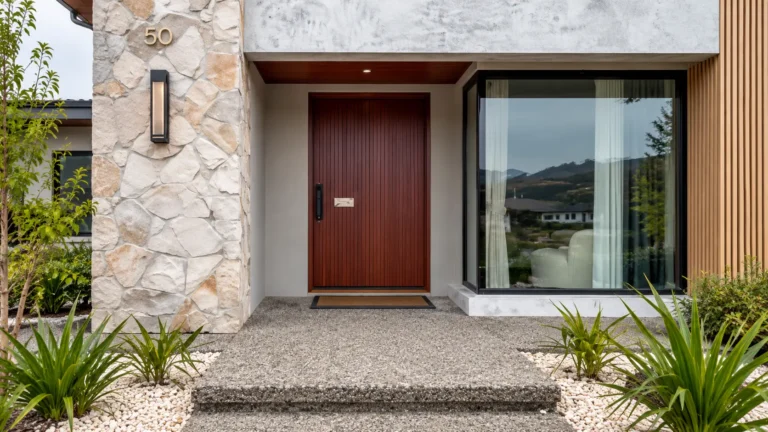
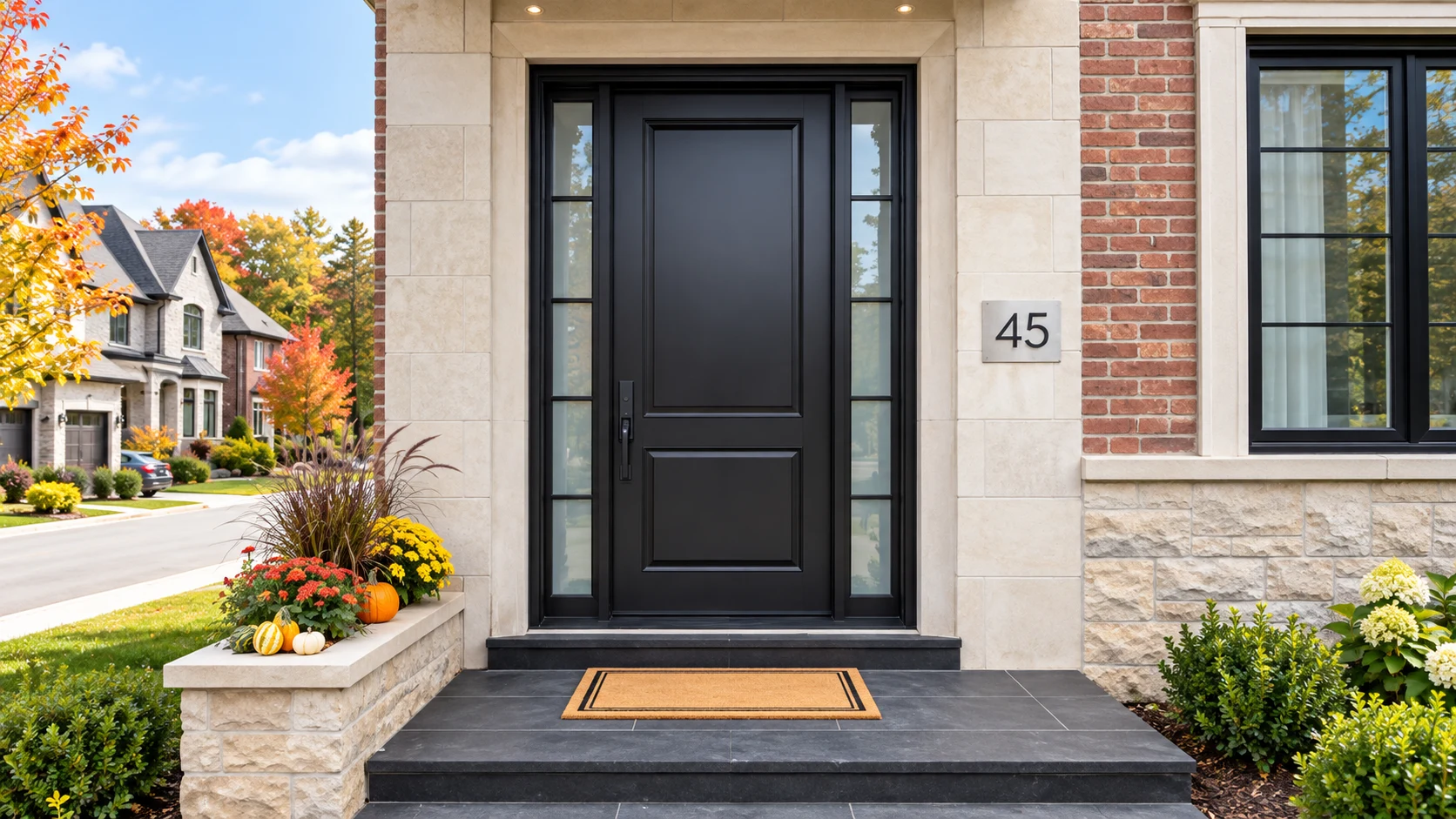
Before focusing only on the locking mechanism, it is more useful to compare complete entry door options and understand how the panel, frame, sill, glass, and hardware work together.
Installation still matters
An entry door needs to fit its opening correctly.
During a replacement assessment, several things should be checked:
- the actual rough opening dimensions;
- the condition of the existing frame;
- the sill;
- door and frame alignment;
- interior and exterior finishing;
- exposure to wind and precipitation;
- the type of door panel and hardware being considered.
A door that is difficult to close does not automatically need a more sophisticated lock.
The age of the existing door, an opening that is no longer square, previous installation issues, or general product wear can all affect how the door operates.
For a replacement project on the South Shore, the useful question is therefore not simply whether a multi-point system is available. It is whether that system makes sense for the new door and the existing opening.
Is the extra cost worth it?
That depends on the project.
Entry door pricing can already vary according to size, glass, door panel, frame, hardware, finishing requirements, and installation complexity.
A multi-point lock adds another feature to compare.
If it is part of a door that fits the home’s needs and the homeowner values that type of locking system, the additional cost may make sense.
If it is being chosen only because it sounds more advanced, the practical benefit may be less obvious.
This is the same trap homeowners can fall into with other window and door upgrades: paying for the maximum specification without first identifying the actual problem.
With a multi-point lock entry door, the better question is not simply, “How many locking points does it have?” It is also worth asking how the complete door is designed, how it will be installed, and what improvement the homeowner expects from the upgrade.
Common questions
Is a multi-point lock required on an entry door?
No. Residential entry doors can use different locking systems. The appropriate choice depends on the door design, project requirements, and homeowner priorities.
Is a multi-point lock automatically more secure?
Multiple locking points can be part of a security-focused door design, but they should not be judged in isolation. The panel, frame, hardware, glass configuration, and installation also matter.
Does a multi-point lock improve energy efficiency?
The lock alone does not determine energy performance. It can contribute to consistent closing pressure when the door is designed for it, but the frame, sill, seals, glass, and installation are also important.
Is it always worth paying extra for a multi-point lock?
No. For some projects, it can be a useful feature. For others, a simpler locking system may meet the homeowner’s needs just as well. The complete door should be compared rather than automatically choosing the most complex hardware option.