
You’ve requested two quotes to replace several windows. The prices are different, but the documents don’t provide exactly the same information. One describes the proposed window models in detail. The other mainly lists dimensions and a total price.
How can you tell which proposal actually matches your project? A window replacement quote should explain the products being offered, the installation approach and the work included in the price. For homeowners in Saint-Constant and across the South Shore, understanding these details can prevent misunderstandings.
Check Which Windows Are Being Proposed
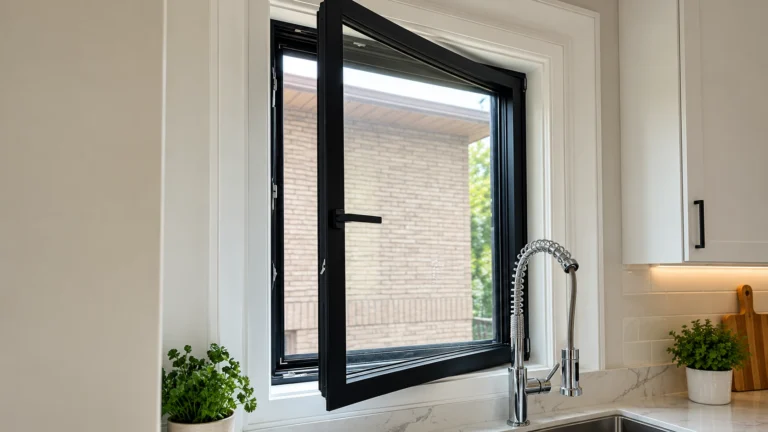
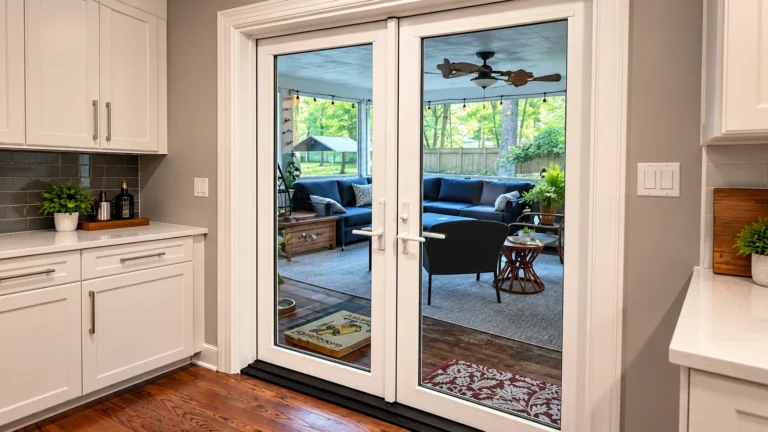
The first step is confirming that both quotes cover the same openings. The number of windows alone isn’t enough. Dimensions, operating styles and configurations also matter. Casement, sliding and fixed windows don’t necessarily provide the same features or cost the same amount.
Frame material and glazing should also be identified. Two proposals may include PVC windows, but one could specify double glazing while the other includes triple glazing. Without understanding those differences, comparing the totals tells you very little. A detailed proposal should make it possible to identify the products without guessing what’s included.
Which Replacement Method Is Planned?
The installation approach can affect the scope of work. In some projects, an insert or retrofit replacement may be appropriate when certain portions of the existing frame can remain in place. In other situations, full-frame replacement may be more suitable.
These approaches don’t necessarily require the same work around the opening. Ask whether the existing frame will remain and which components are being replaced. One contractor may have included more extensive work than another. Neither approach should automatically be considered superior without assessing the existing opening and the project goals.
Are Interior and Exterior Finishes Included?
Finishing work is one of the details homeowners can easily overlook. When a window is replaced, the surrounding materials may be affected. Depending on the configuration, interior trim, exterior cladding or other finishing work may need to be considered.
One proposal may include these elements while another excludes them. Clarify what will happen to the surfaces surrounding each opening. This question can be particularly relevant in older homes, where existing materials and dimensions don’t always match modern installations.
It’s also important to understand how unexpected conditions will be handled. An initial assessment can help establish the required work, but it may not reveal every concealed condition.
Understand the Energy Performance Specifications
Two windows can look similar while offering different thermal performance. Glazing type, Low-E coatings, U-factor and Energy Rating can help explain the differences.
Natural Resources Canada provides guidance on important window and door features. This information helps homeowners compare measurable characteristics rather than relying on broad descriptions such as high performance.
Not every opening requires the most expensive glazing option. Window orientation, size, comfort expectations and budget should influence the decision. Product performance alone doesn’t guarantee installation quality.
A Preliminary Estimate and a Detailed Quote Aren’t Always the Same
Early in a project, a homeowner may receive an approximate estimate based on preliminary information. A more detailed proposal may later specify measurements, selected products, installation methods and finishing work.
Is the price preliminary or based on a defined scope? Have the dimensions been confirmed? Are product options still being selected? The validity period and applicable conditions should be understood before accepting. What matters most is the actual information and conditions in the document.
What to Confirm Before Accepting
A useful comparison should cover window dimensions, quantities and configurations; frame materials and glazing; planned replacement method; removal of existing windows; included and excluded finishing work; conditions for handling changes; and expected project steps.
A clear quote should distinguish confirmed details from items still requiring discussion. It’s better to ask for clarification before accepting than to assume certain work is automatically included.
Why the Lowest Quote Isn’t Always the Best Value
A lower price can be appealing, particularly when replacing several windows. However, a less expensive proposal may specify different configurations, fewer options or less finishing work. Conversely, a higher quote may include features that provide limited benefit for the particular home.
Compare the actual value of the products and work being offered. Before planning a window replacement project, list the openings involved, concerns you’ve noticed and your main priorities. That information is a useful starting point for comparing proposals.
Take Time to Understand the Work
Window replacement is a significant home improvement decision. In Saint-Constant, Candiac and elsewhere on the South Shore, the conditions of each home can influence the scope of work. A useful quote should explain the products, installation method, included work and limitations of the proposal.
Frequently Asked Questions
Is it worth getting more than one quote?
Yes. Comparing proposals can clarify the options, provided the products and work are reasonably equivalent.
Should triple glazing automatically be included?
No. The decision depends on the desired comfort level, building characteristics and budget.
Why does finishing work affect the price?
Surrounding materials and the installation method can change the amount of work required.
Can a quote change during the project?
That depends on the agreed conditions and circumstances. Procedures for changes should be clarified before work begins.