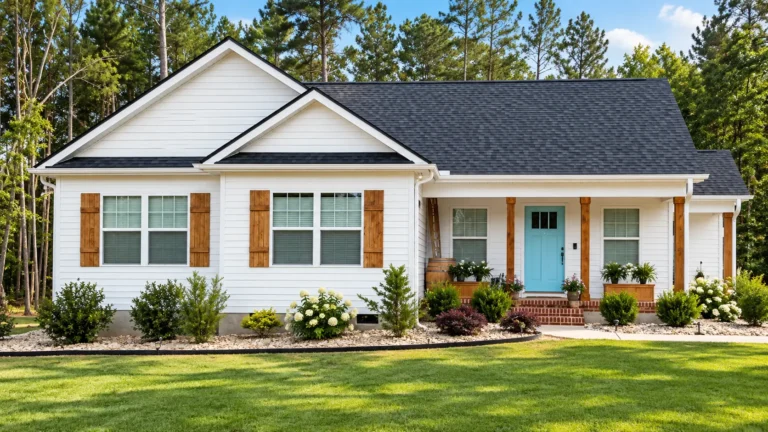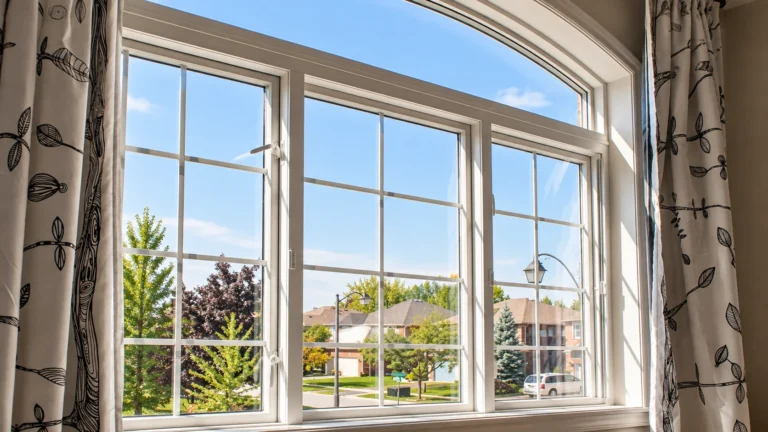

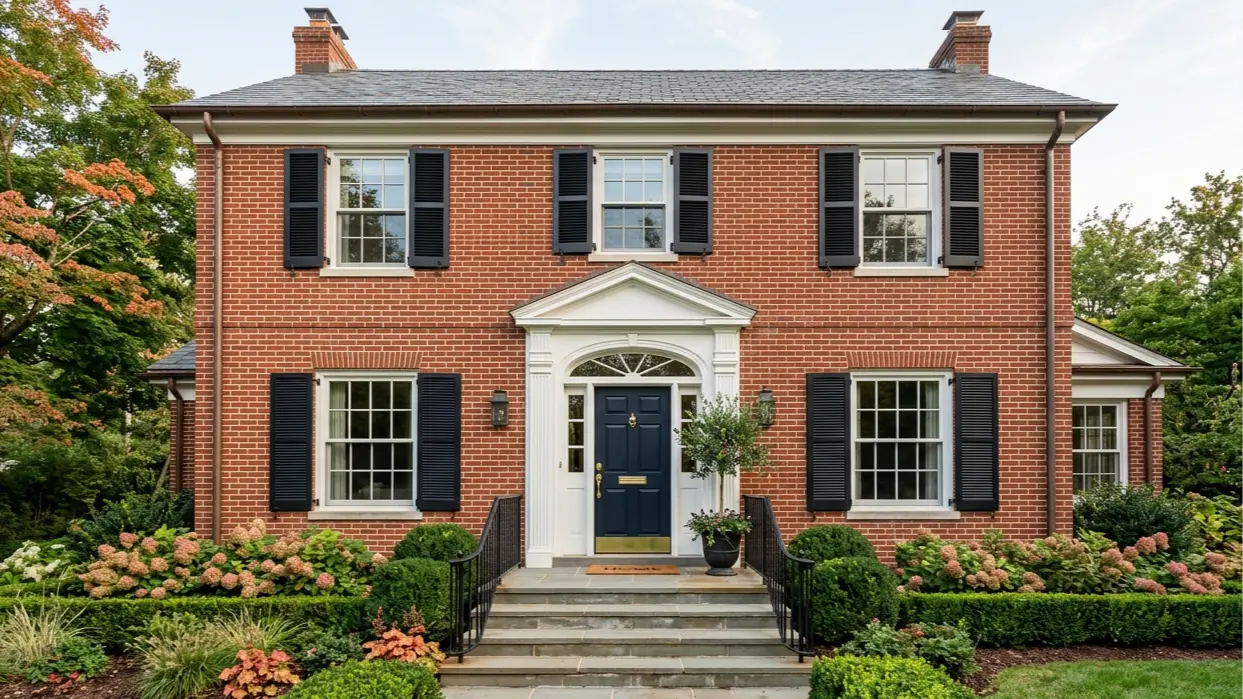
In Sainte-Catherine, an entry door often goes unnoticed until it starts affecting comfort. A draft near the threshold, a cold entry area in winter, a door that no longer closes properly, or glass that often shows condensation can quickly become irritating. An entry door replacement Sainte-Catherine project should not start from impulse. It should come from a practical look at the condition of the opening, the comfort you want, and the budget that makes sense.
An entry door has several jobs at once. It affects the look of the front of the home, perceived security, natural light, air tightness, noise, and temperature stability near the entrance. The right choice is less about finding one “perfect” model and more about matching the door to the home, the exposure, and the way the entry is used every day.
Why an entry door can become a weak point
On the South Shore, entry doors deal with cold weather, humidity, freeze-thaw cycles, wind-driven rain, and snow near the threshold. Over time, these conditions can make weak points more obvious, especially in winter.
A door can still look acceptable while letting air pass around the frame, closing less precisely, or creating a cold zone in the hallway, living room, or open-concept area. The threshold can also become a sensitive point because it sees regular use and is directly exposed to temperature changes.
It is worth avoiding a rushed conclusion. The door itself is not always the only reason an entrance feels cold. The panel, glass, threshold, opening, original installation, and finishing around the frame can all play a role. That is why a good decision starts by looking at the full opening, not only at the new door model.
Air tightness, comfort, and security: the real criteria
When choosing an entry door, appearance matters, but it should not be the only factor. A good-looking door can still disappoint if it lets in air, if the threshold does not suit the opening, or if the frame does not fit properly.
Air tightness is often the first point to consider. In winter, a weak spot around the frame or at the bottom of the door can make the entrance uncomfortable. In some homes, especially when the entry opens directly into a living space, that cold zone is noticeable quickly.
Security is also part of the decision, but it should be approached practically. It is not only about choosing a heavier-looking door. The locking system, panel stability, frame quality, fit, and compatibility with the opening all matter. A well-chosen door should balance comfort, everyday use, and a stronger sense of security.
For an entry door replacement project around Sainte-Catherine, it is useful to compare the condition of the opening, air tightness, glass, threshold, and budget before choosing a model.
Glass: natural light or comfort concern?
Glass is often an important decision in an entry door. It can bring more natural light into the home, improve the look of the façade, and make the entry feel more welcoming. At the same time, more glass means performance, privacy, and exposure should be considered carefully.
A door with partial glass can be a good compromise if the homeowner wants more light without opening the view too much into the home. In some cases, a sidelight can also make sense if the existing opening allows it. The right choice depends on the current configuration, the desired level of privacy, and the comfort expected.
It is not safe to assume that more glass is always better, or that less glass is always more efficient. The type of glass, the quality of the door, the air sealing, and the installation all affect the result. A door that performs well on paper can still disappoint if the opening is poorly prepared or the measurements are not precise.
Materials, threshold, and installation: look beyond style
The door material, frame, threshold, and hardware all influence comfort and daily use. An entry door is used often, exposed to weather, and affected by major temperature changes. It should be chosen for function as much as for appearance.
A common mistake is comparing only styles or base prices. A very simple option can work in some situations, but it may be less suitable if the entrance is highly exposed to wind or cold. On the other hand, automatically choosing the most expensive option is not always necessary. The best choice is the one that answers the real needs of the home without adding features that do not change much in practice.
Installation is another central point. Measurements, the condition of the opening, threshold preparation, frame adjustment, and interior and exterior finishing all affect the final result. A good door that is not well matched to the opening can still create comfort problems.
Budget, timing, and incentive programs
The cost of replacing an entry door can vary depending on several factors: dimensions, material, glass, sidelights, threshold type, interior and exterior finishing, the condition of the opening, jobsite access, and the complexity of removing the existing door. That is why comparing only the base price of a model can be misleading.
Timing also matters. Problems often become more obvious in fall and winter, when drafts and cold zones are easier to feel. Planning in spring or summer can make it easier to compare options calmly, especially if the entrance requires a specific configuration.
If a program such as Rénoclimat is being considered, the official rules should be checked before work begins. Eligibility depends on the current conditions, selected products, and required steps. The official page for Rénoclimat conditions for doors and windows can help homeowners understand what needs to be verified before planning a project.
It is better not to base the whole decision on a possible incentive. A program may be one factor to consider, but the project should first answer a real need for comfort, air tightness, security, or replacement of an aging product.
When replacement starts making sense
Entry door replacement Sainte-Catherine becomes more relevant when the signs keep coming back: a draft near the threshold, a door that is hard to close or lock, frequent condensation around the glass, noticeable discomfort near the entrance, or a visibly tired frame.
That does not mean choosing the most expensive option. It means understanding the real condition of the opening, comparing choices reasonably, and avoiding features that would add cost without changing much for the home.
Fortena Fenêtres et Portes, based in Saint-Constant, supports entry door projects around the South Shore with this practical approach: looking at the door, the opening, the threshold, the glass, and the installation together before deciding what makes sense.
Common questions
Is an entry door with glass less comfortable?
Not necessarily. It depends on the type of glass, the quality of the door, the exposure, and the installation. Glass can bring in natural light, but privacy and performance should also be considered.
When should an entry door be replaced?
Replacement starts to make more sense when the door lets in air, closes poorly, creates a cold zone, shows signs of wear, or no longer meets the home’s comfort and security needs.
Is the most expensive entry door always the best choice?
No. A higher-performance door can be useful in some cases, but the choice should fit the home, the opening, the exposure, and the budget.
Should Rénoclimat be checked before the work?
Yes, if the program is being considered. Conditions, eligible products, and required steps should be verified before the project begins because eligibility is not automatic.