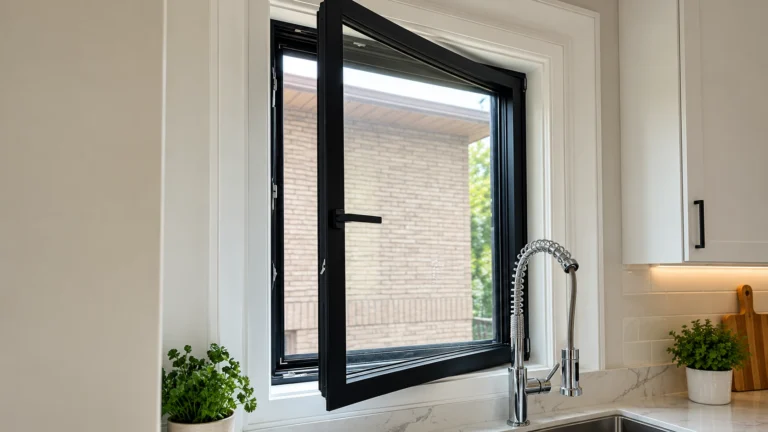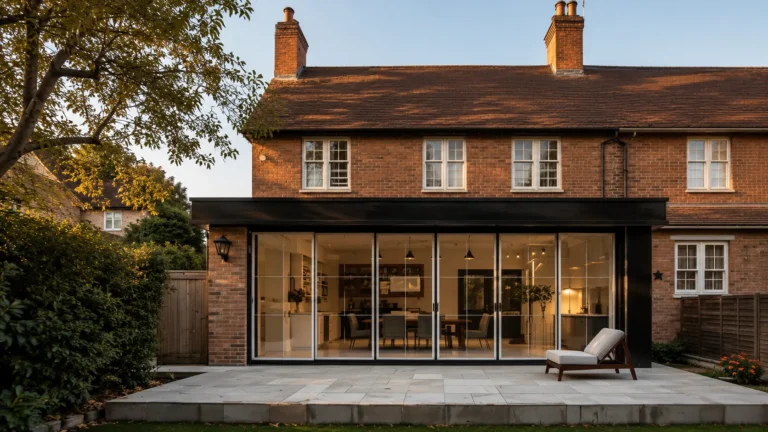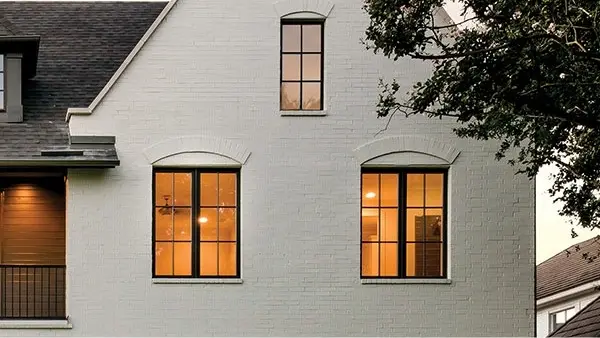

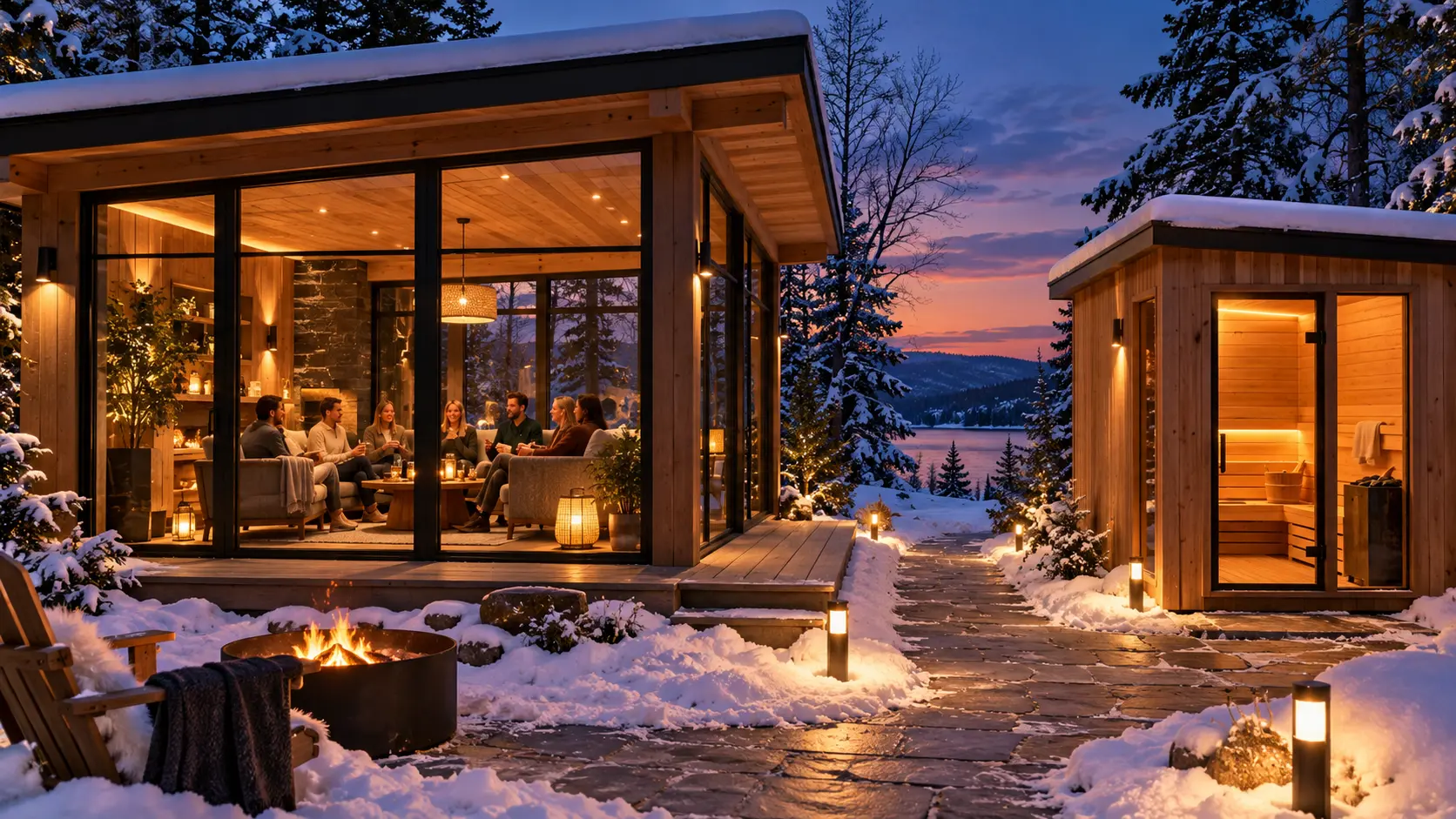
A heated backyard pavilion with a large garden window can be comfortable on the South Shore even in January. But a sauna hot room and the lounge next to it require different types of glazing.
A Sauna Blog story about a friend’s pavilion project (in French) considers two layouts: a hot room inside the pavilion and a separate outdoor sauna beside a heated lounge. The window choice starts with that distinction.
Compare the complete window, not just its panes
Double glazing can be appropriate for some lounge openings. Triple glazing may improve comfort beside a large window in cold weather but also changes weight, cost, frame requirements and solar properties. The most expensive choice is not automatically the right one.
Compare the whole-window U-factor, which describes heat transfer; the solar heat gain coefficient (SHGC), which describes admitted solar energy; and Low-E coatings, which reduce certain transfers by radiation.
Natural Resources Canada’s ENERGY STAR technical specifications for windows and doors explain these measures. Fortena’s Low-E glass guide explores how they work together. ENERGY STAR qualifies eligible products, not automatically the installation company.
A garden-facing glass wall changes the heating plan
A large fixed window can create a wonderful winter view. It also has different heat-loss characteristics than a well-insulated wall.
South-facing windows may admit helpful winter sunlight but overheat the room in summer. West-facing glazing receives strong afternoon sun; north-facing glazing generally offers softer daylight and fewer solar gains. Nearby trees and buildings can change every one of those effects.
Visible light transmission and solar heat gain are not the same property. A large fixed pane with a smaller opening window may balance view, comfort and occasional airing better than an entire wall of movable units. An opening window is not a substitute for mechanical ventilation where it is needed.
For equipment planning, see Air Climatisation VS on sizing a wall-mounted heat pump for a sauna pavilion. Window area and orientation affect cooling and heating loads.
The glass inside the sauna is a different product
A residential double- or triple-pane window is not automatically rated for a sauna hot room, even if its glass is tempered or has a Low-E coating.
Repeated high temperatures, thermal stresses and the construction of frames, seals, fixings and hardware all matter. A sauna designer or specialist supplier must verify the intended use of the complete glazing assembly. Glass inside the sauna may also affect heater sizing.
Fortena’s role is residential windows and doors for the lounge, not supplying specialist sauna-room glazing.
When the sauna is integrated
The lounge windows may use appropriate residential products, subject to the building’s requirements. Glazing directly exposed to the hot room must be evaluated separately.
Opening the sauna door introduces warm, moist air into the lounge. Condensation may appear on cold glass or frames. Better glazing reduces some cold-surface risks but cannot replace a ventilation and moisture-control strategy.
When the sauna stands outside
The pavilion becomes a separate heated room. Window and exterior-door selection can focus on winter comfort, daylight, air leakage and summer solar gains.
The SaunaSpa comparison of a custom build and a fully assembled outdoor sauna explores placement and delivery choices. Those decisions should be settled before locating the lounge’s windows and door.
Even with separate buildings, guests bring in damp towels, wet coats and snow. The room still needs suitable ventilation.
Installation details and doors matter
A high-performance window can underperform if it is not properly integrated with the wall. Review the opening, seals, drainage, flashing and finishing, not just a manufacturer’s performance table. Fortena’s window installation information gives context on the scope of a new installation project.
A patio door may preserve the view and improve circulation, but it needs an appropriate threshold and weather sealing. With a detached sauna, consider where snow accumulates, where people walk and how often the door will open.
Before requesting a quotation, prepare approximate dimensions, orientation, intended winter occupancy, and whether the hot room is integrated or separate. The municipality must also approve the intended use of the accessory building. A heated pavilion is not automatically approved for overnight guests.
Frequently asked questions
Can residential windows be used in a pavilion containing a sauna?
They may work in the separate heated lounge, subject to building requirements. Glass directly exposed to sauna conditions needs an independent specification.
Is triple glazing essential for winter?
Not necessarily. Whole-window performance, orientation, glazing area and installation quality should guide the decision.
Does Low-E make a window suitable for sauna temperatures?
No. The complete assembly must be expressly intended for that application.
Does a large picture window always cause condensation?
No. Condensation depends on indoor humidity, surface temperature, frames and ventilation.
The practical goal is to keep the lounge comfortable without treating its windows as interchangeable with sauna glazing.